Most race days pass without a serious medical call. The ones that don't are remembered for years, by athletes, families and the local authorities who decide whether you get a permit next time. A written medical plan is what turns a frightening moment into a handled one.
You don't need a hospital on the course. You need the right people in the right places, a way to reach any athlete fast and one clear chain of command. Here is a six-step plan any organiser can follow, from a 5K in a park to a full marathon.
Why a written plan matters
A plan in someone's head disappears the moment that person is busy at the start line. A plan on paper can be shared with your medical team, your marshals and the police, and checked by anyone before race day.
India has no single national rulebook for race medical cover yet, so it helps to borrow from a governing body that has one. Welsh Athletics publishes detailed road race medical guidance for race directors. We use it below as a benchmark, not a rule, and you should always follow what your local authority and medical partner ask for.
The six-step medical plan
1. Plan for your biggest likely field
The guidance says to base medical planning on the maximum likely number of competitors, not on today's bookings. Distance matters too: a half marathon or full marathon needs more cover than a 5K with the same field.
Note: if you add a category or change the route, review the plan again.
2. Book a qualified medical partner
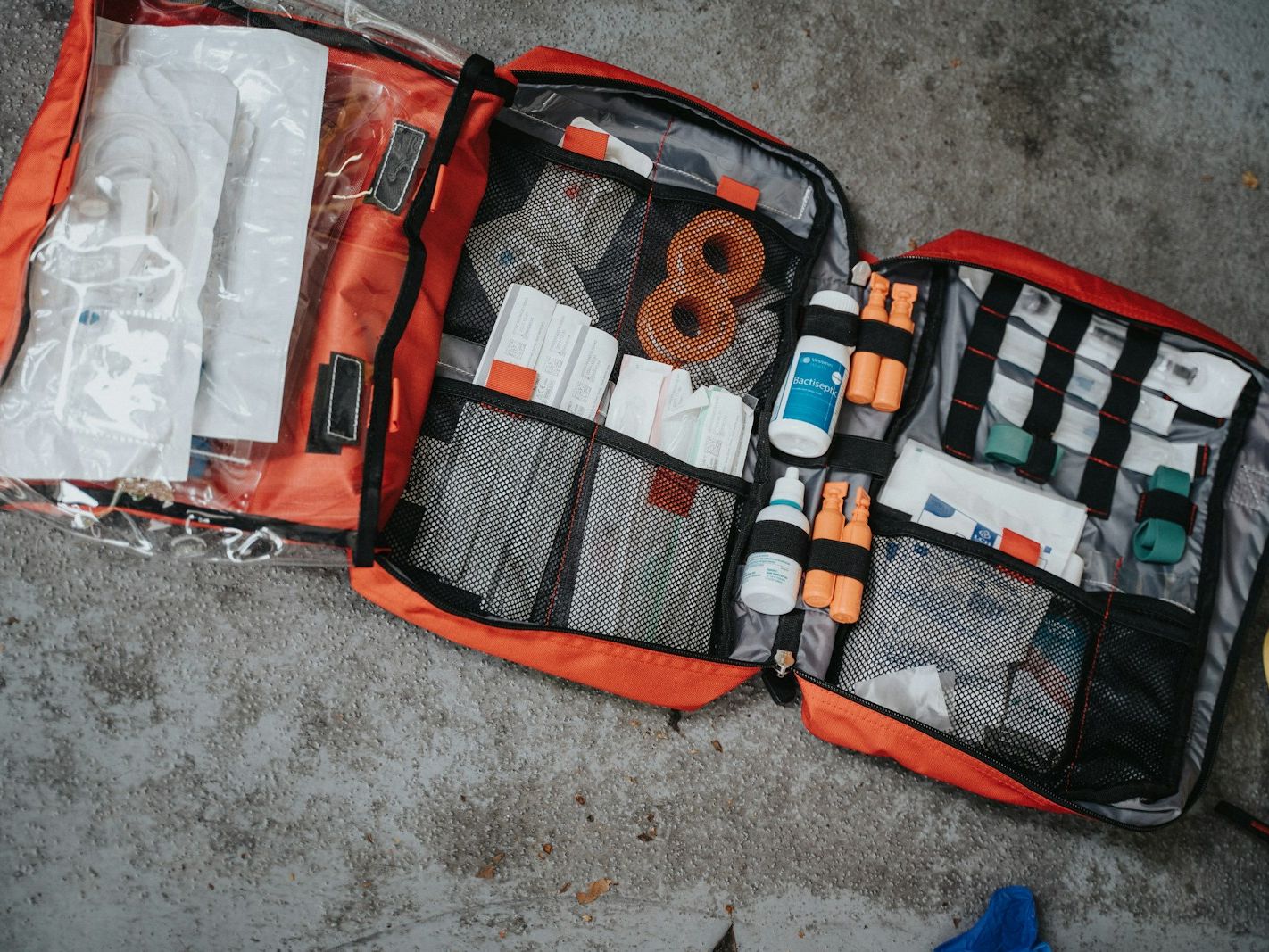
Use a hospital, ambulance service or registered first aid provider for the core team. In the guidance, event volunteers can add to the professional team at larger races but never replace it.
Ask them for: first aiders, a doctor or paramedic, AEDs (defibrillators), an ambulance on standby and a written quote.
3. Use the 8-minute test
The Welsh Athletics benchmark is clear: a mobile responder with basic life support and an AED should be able to reach an injured athlete at any point on the course within 8 minutes of the report. Walk or ride your route with a map and mark where that is hard: narrow lanes, bridges, trails and turnaround points.
Fix it with: cyclist or bike medics, a second ambulance point or a shorter loop.
4. Put your strongest cover at the end
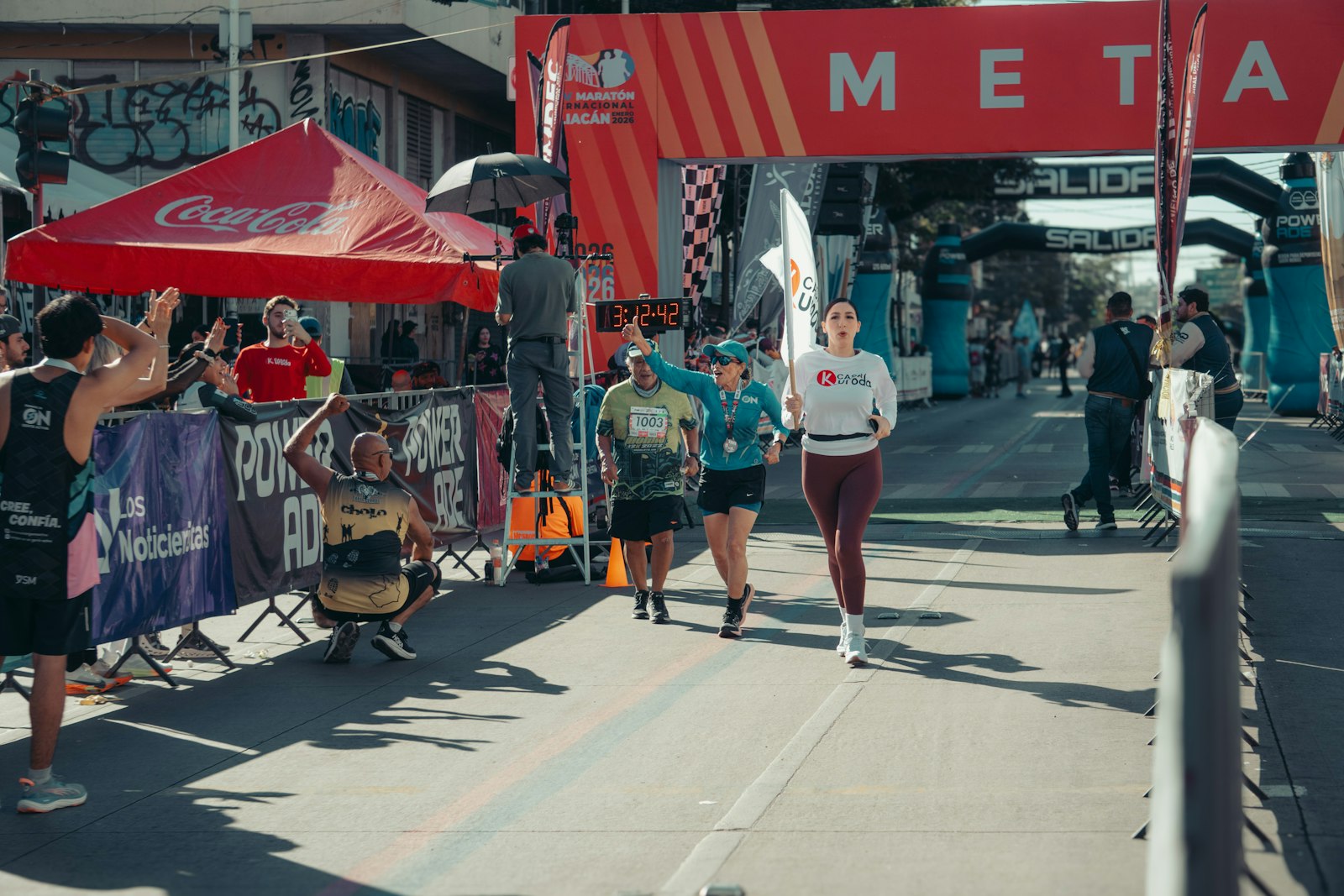
The guidance notes that most collapses happen at the finish and in the last 10 percent of the race. So place first aid posts closer together after 75 percent of the distance, keep a covered medical post at the finish and plan a clear lane for an ambulance to get in and out.
Note: the guidance also suggests discouraging sprint finishes.
5. Test every phone and radio on the course
Check mobile signal or radio reception along the whole course, including the start and finish. Swap contact numbers with the medical team before race day and agree how a call is made.
Teach marshals one script: where the athlete is, what happened and whether they are conscious. Then guide the ambulance in.
6. Confirm, record and review
Confirm the medical team is in place before you start the race. In the Welsh Athletics guidance, the race is cancelled if first aid does not turn up. Afterwards, ask your medical partner for a written summary of every casualty and hold a short debrief.
Keep: the summary, the debrief notes and any changes for next year's plan.
Athletes trust you with more than a timing chip. A medical plan is the part of your event nobody sees when it goes right, and the only part anyone remembers when it doesn't.Amit Daga, Founder and CEO, Feet and Pedals®
What to tell athletes
Your medical plan works better when athletes play their part. Add these lines to your race-week and day-before messages, which we set out in Race Week Messages:
- Fill in an emergency contact and any medical conditions on the back of your bib.
- Don't race if you have been unwell recently.
- Know where the medical posts are on the route map.
- If someone near you is in trouble, stop and tell the nearest marshal.
Brief your volunteers on it
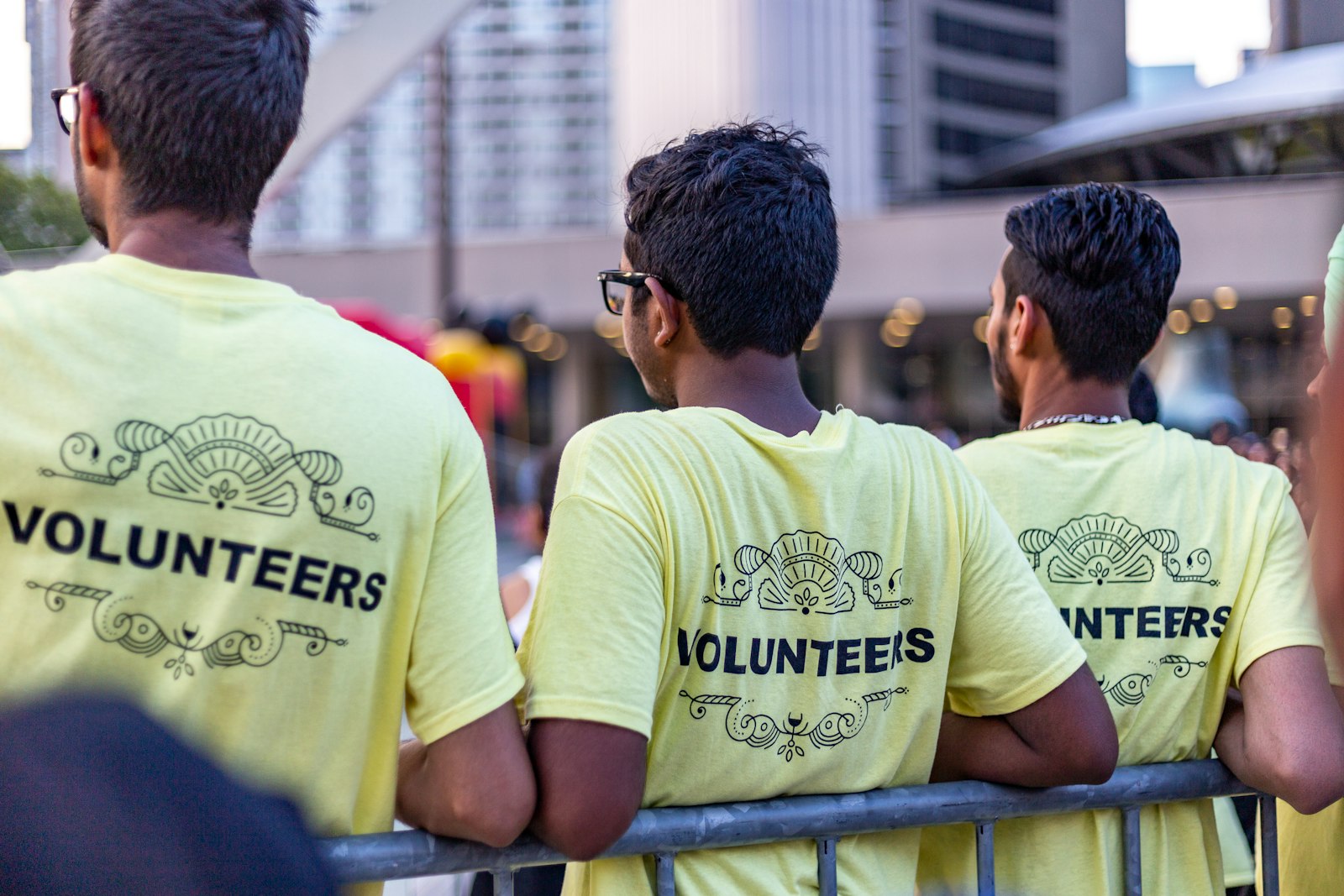
Your marshals are usually first on the scene. Give each one a single page with their location, the medical team's number and the call script from step 5. Our race day volunteers plan shows how to brief each role in a few minutes.
On race day, volunteers using Feet and Pedals® scan e-tickets with QR codes at check-in on their phones, so you know who has actually collected their bib and started. That list helps your team account for every athlete at the finish.
Feet and Pedals® is an event discovery and ticketing platform for India's endurance events, and your event becomes part of the early organiser network of a growing athlete ecosystem.
List it on Feet and Pedals® and sell tickets, scan QR check-ins and issue GST invoices from one panel. Questions? Write to amit@feetandpedals.com or WhatsApp +91 92207 22803.