Most race-day problems start as unanswered questions. Where do I collect my bib? What time is the start? Is there parking? When athletes don't get clear answers, they call, they message, and some of them simply don't turn up.
The fix is simple: send the right message at the right time, and only that message. Here is a six-step timeline any organiser can follow, from the moment someone books to the day after the finish.
Why timing matters more than detail
An athlete who books eight weeks out does not need the parking map yet. Send it too early and it gets lost. Send it too late and you get fifty calls the night before. Each message below has one job, so athletes can find what they need without scrolling through a long newsletter.
Good communication also protects your turnout. People who feel looked after show up, finish happy and book again next year.
The six-message timeline
1. Booking confirmation
The athlete has paid and wants proof. Confirm the event name, date, category, ticket and invoice. Add one line on what happens next, for example "We'll send race-week details seven days before the event."
Include: ticket, invoice, refund and transfer rules, and one contact for questions.
2. The countdown note
This is the message that keeps people training. Share the route, the cut-off times and any change since they booked. If you need a T-shirt size, an emergency contact or a timing certificate, ask now, not in race week.
Include: route map, cut-offs, last date for category changes, and a reminder to check with a doctor before a big jump in training.
3. Race-week logistics
This is your most important message. Put bib collection, start times by category, reporting time, parking, baggage, water stations and the finish area in one place. Use a numbered list, not paragraphs.
Include: bib collection dates, times and ID rules, start-line map, and the first look at the weather forecast.
4. The day-before checklist
Short and practical. Bib on the front, ticket ready to scan, reporting time, final weather advice and any change to the route or timings. If nothing has changed, say so. That alone saves calls.
Include: a five-line checklist and the race-day helpline number.
5. Race morning
Send this only for something new: a delayed start, a changed assembly point or a heat warning. One or two lines. Athletes are busy getting ready, so don't send a "good luck" essay.
Include: the change, what to do about it, and who to ask.
6. Thank you and results
Thank every athlete, share results, certificates and photos, and give next year's date if you have it. We covered this step in detail in After the Finish Line.
Include: results link, photo link, a short feedback survey and a returning-athlete offer.
Athletes forgive a long queue. They don't forgive being left in the dark. Six clear messages, sent on time, will do more for your race than any medal design.Amit Daga, Founder and CEO, Feet and Pedals®
Weather and health lines to add
Even in winter, many Indian race mornings warm up quickly after sunrise. Welsh Athletics advises race directors to start checking forecasts from several sources a week out, to look at the "real feel" temperature rather than the air temperature, and to warn participants by email, on the event website and on social media if heat is expected.
Its suggested runner messages are worth copying into your race-week and day-before notes:
- Dress for the weather.
- Drink to thirst.
- Keep to the shade where possible.
- Ask for medical help if you feel unwell.
- Don't take part if you have been unwell recently.
Three rules that keep it simple
One owner. Give one person the job of writing and sending every message. Mixed voices create mixed information.
One source of truth. Keep a single event page or race information sheet, and update it first. Every message should point back to it.
One channel for changes. Tell athletes at booking where updates will come from, whether that is email or your event group, and stick to it.
Where Feet and Pedals® helps
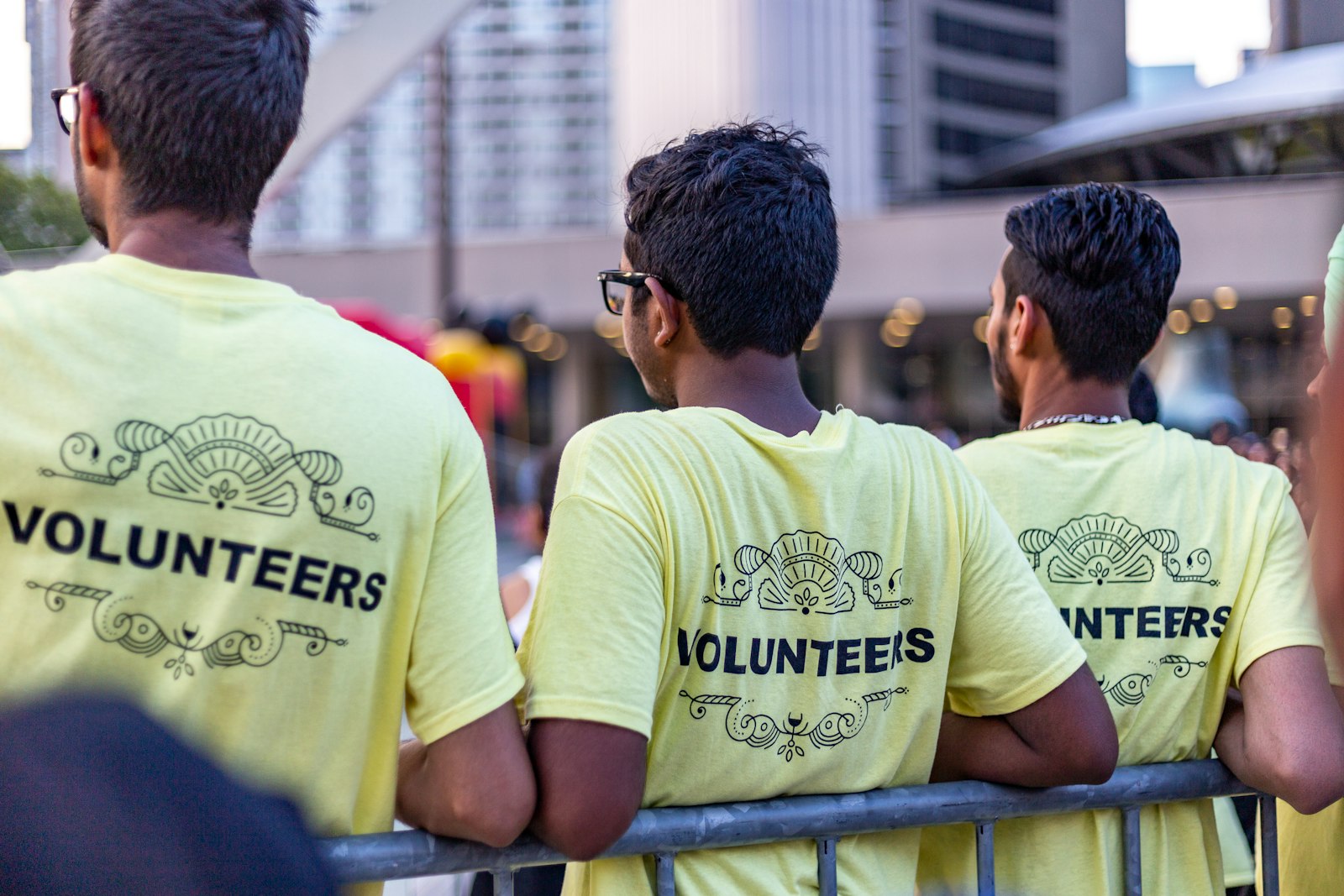
When athletes book through Feet and Pedals®, message one is handled for you: they receive their e-ticket with a QR code by email, plus a tax invoice where one applies. Buyers can chat with you from your organiser panel, and on race day your volunteers scan tickets at check-in on their phones, so each ticket is accepted only once.
Your event also becomes part of the early organiser network of a growing athlete ecosystem, built to help athletes discover, book and come back to events across India.
The Early Bird offer closes soon. Open to the first 250 organisers or until 31 October 2026, whichever comes first, it gives you a 90-day trial with up to 10 event listings, ₹0 subscription, ₹0 payment gateway charges and 0% management fee on paid and free tickets during the trial. Offer terms apply.
Questions? Write to amit@feetandpedals.com or WhatsApp +91 92207 22803.